
Sherwood Mortgage Group | Created : September 11, 2026 | Updated : September 15, 2026
How Much Down Payment Do You Need to Buy a Home in Canada?
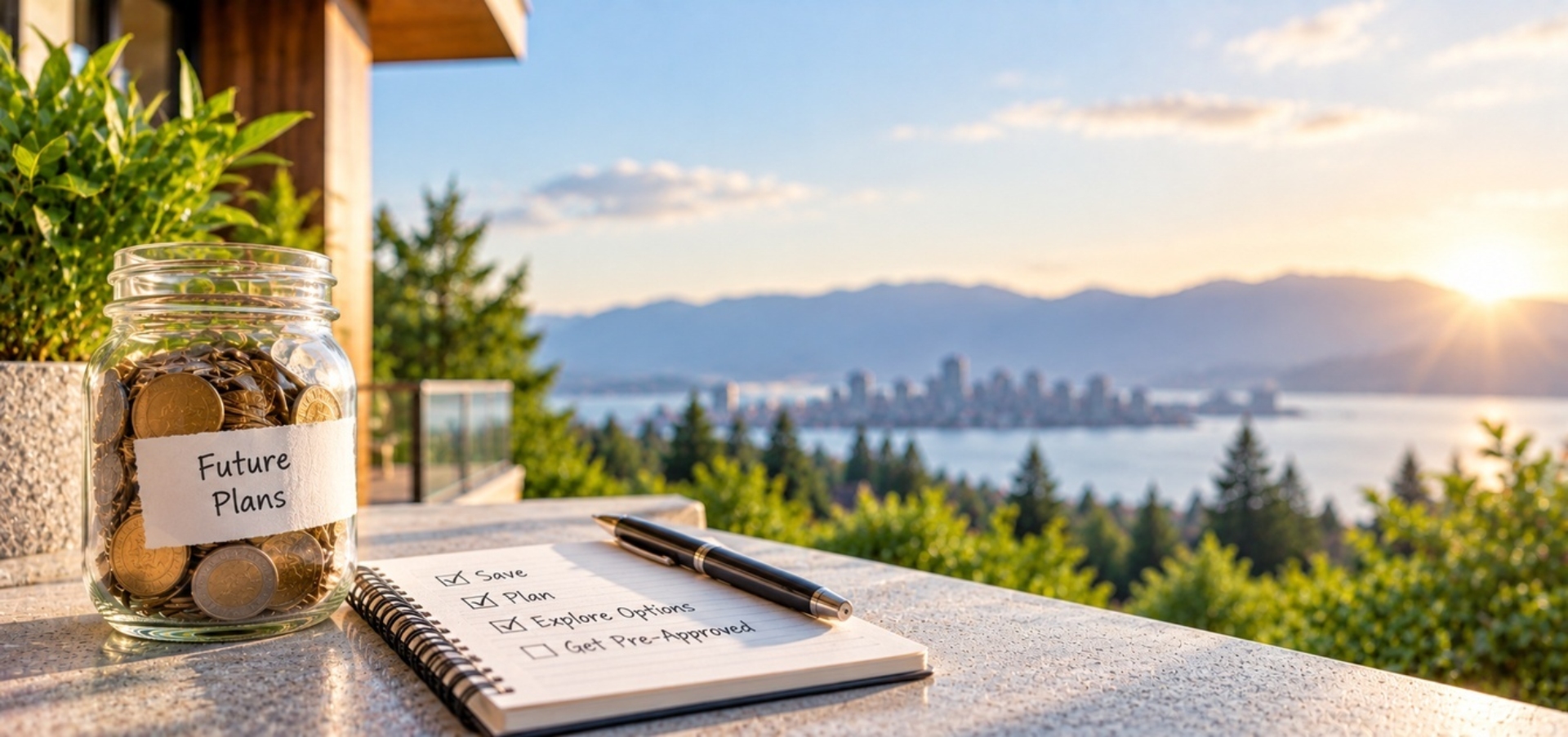
How much do you actually need for a down payment in Canada?
For many homebuyers, the answer is less than the 20% they expect.
Your minimum down payment depends primarily on the purchase price of the home, but the amount you should put down can also depend on your finances, the type of property you're buying, and how you plan to use it.
Whether you're a first-time homebuyer, moving to your next property, or considering an investment, understanding Canada's down payment requirements before you start house hunting can help you set a realistic savings goal.
What Is the Minimum Down Payment in Canada?
For an owner-occupied home, Canada's minimum down payment requirements are generally:
- $500,000 or less: 5% of the purchase price
- More than $500,000 but less than $1.5 million: 5% of the first $500,000, plus 10% of the portion above $500,000
- $1.5 million or more: 20% of the purchase price
If your down payment is less than 20%, mortgage default insurance is generally required. So no, you don't automatically need a 20% down payment to buy a home in Canada.
What Does That Look Like in Real Numbers?
Sometimes the easiest way to understand Canada's down payment rules is to see the calculation.
Buying a $400,000 Home
For a $400,000 home:
5% of $400,000 = $20,000
The minimum down payment would generally be $20,000, subject to mortgage qualification and applicable lending requirements.
Buying a $600,000 Home
Once the purchase price goes above $500,000, the calculation changes.
5% of the first $500,000 = $25,000
10% of the remaining $100,000 = $10,000
Minimum down payment = $35,000
Buying a $700,000 Home
For a $700,000 home:
5% of the first $500,000 = $25,000
10% of the remaining $200,000 = $20,000
Minimum down payment = $45,000
Buying a $1 Million Home
For a $1 million home:
5% of the first $500,000 = $25,000
10% of the remaining $500,000 = $50,000
Minimum down payment = $75,000
Buying a $1.5 Million Home
At a purchase price of $1.5 million or more, the minimum down payment is generally 20%.
On a $1.5 million home, that would be:
$300,000
Remember that having the minimum down payment doesn't automatically mean you'll qualify for the mortgage. Your income, existing debts, credit, and the property itself will still need to meet applicable lending requirements.
Want to see how the numbers could translate into monthly payments? Use our Mortgage Calculator to compare different purchase prices, down payment amounts, interest rates, and amortization periods.
Do You Need 20% Down to Buy a Home?
No. The idea that every homebuyer in Canada needs a 20% down payment is one of the most common mortgage misconceptions. Many buyers purchase with less. When you put down less than 20%, however, your mortgage will require mortgage default insurance. This insurance protects the lender, and the premium is typically added to your mortgage balance. Putting down 20% or more means mortgage default insurance isn't required. That doesn't necessarily mean 20% is always the right choice.
Your down payment should make sense within your broader financial situation.
Is a Bigger Down Payment Always Better?
There are advantages to putting more money down.
A larger down payment can:
- Reduce the amount you need to borrow
- Lower your regular mortgage payments
- Reduce the amount of interest paid over time
- Give you more equity in the property from the beginning
- Potentially eliminate the need for mortgage default insurance once you reach 20%
But there's another side to the equation. Putting every available dollar into your down payment could leave you with little money for closing costs, repairs, moving expenses, or unexpected costs after you get the keys.
Instead of asking only:
"What's the most I can put down?"
It's also worth asking:
"How much should I have left after I close?"
Sometimes maintaining a financial cushion is more valuable than stretching to reach a larger down payment.
Where Can Your Down Payment Come From?
Your down payment doesn't necessarily have to come from one savings account. Depending on your mortgage and circumstances, acceptable sources may include several types of funds.
Personal Savings
This is one of the most straightforward sources. Your lender may ask for bank or investment statements showing that the money has been accumulated and is available for the purchase.
Proceeds From Selling Another Property
If you already own a home, equity from its sale may become part or all of the down payment on your next property. If your new home closes before your existing property sells, the timing of the two transactions becomes especially important.
Gifted Down Payment
A non-repayable financial gift from an eligible family member may be accepted as a source of down payment for certain mortgages. Documentation is normally required to confirm that the money is genuinely being gifted rather than loaned to you.
Investments
Money held in eligible investments may also be used toward your home purchase once those funds are available. Keep your records when selling or transferring investments, as your lender may need to verify where the money came from.
First-Time Homebuyer Savings
First-time homebuyers may have access to registered savings options that can help with a home purchase. Depending on your eligibility, these may include the First Home Savings Account (FHSA) and qualifying RRSP withdrawals through the Home Buyers' Plan (HBP). Because program limits and eligibility requirements can change, review the current rules before making a withdrawal.
Your Down Payment Needs a Paper Trail
This part can surprise buyers. Having enough money in your account isn't always the end of the story. Your lender may also need to verify where the funds came from. For example, if a large deposit suddenly appears in your account, you may be asked to provide documentation showing its source.
If you're:
- Moving money between accounts
- Receiving a gifted down payment
- Selling investments
- Using proceeds from another property
keep the relevant statements and transaction records. The easier your down payment is to trace, the easier it generally is to document.
What About the Down Payment on an Investment Property?
Down payment requirements can be different when you're purchasing a property you won't occupy yourself. For many non-owner-occupied rental properties, a larger down payment may be required.
The financing can also depend on factors such as:
- Property type
- Number of units
- Expected rental income
- Location
- Your existing properties
- Your overall financial profile
This is why you shouldn't assume that the minimum down payment available for your primary residence will automatically apply to an investment property. If you're considering a rental property, discuss how you intend to use the property before deciding how much you'll need to save.
What If the Home Has a Rental Suite?
Buying a home with a basement apartment, secondary suite, or multiple units can introduce additional considerations. How you intend to occupy the property matters. A home you live in while renting part of it may be treated differently from a property purchased entirely as an investment. The number of units can also affect the financing available. If rental income is an important part of your purchasing strategy, mention it during the mortgage pre-approval process rather than waiting until after you've found a property.
Don't Forget About Closing Costs
One of the most common home-buying mistakes is saving exactly enough for the down payment. Your down payment isn't the only cash you'll need.
Depending on the property and where you're buying, additional expenses may include:
- Legal or notary fees
- Land transfer or property transfer taxes
- Title insurance
- Property tax adjustments
- Home inspection
- Appraisal, if required
- Home insurance
- Moving expenses
- Immediate repairs or purchases
Closing costs can vary considerably depending on your province, municipality, and transaction. A buyer in British Columbia, for example, may need to account for BC's Property Transfer Tax, while buying a home in Alberta involves a different land-title registration structure.
Instead of setting your savings goal at the minimum down payment, think of it as:
Down payment + closing costs + financial cushion
That's a much more realistic home-buying number.
How Much Should a First-Time Homebuyer Save?
The minimum down payment gives you a starting point, but it shouldn't necessarily be your entire savings goal. If you're a first-time homebuyer, try working backwards from the type of home you're hoping to purchase.
Estimate your:
- Target purchase price
- Minimum down payment
- Estimated closing costs
- Mortgage payment
- Property taxes
- Condo or strata fees, if applicable
- Insurance
- Moving costs
- Emergency savings after closing
You can use our Mortgage Calculator to test different scenarios and see how changing your purchase price, down payment, interest rate, or amortization could affect your estimated mortgage payments.
For example, compare what your payment could look like with 5%, 10%, and 20% down rather than automatically assuming one option is best. The goal is to understand the full financial picture before you start making offers.
Should You Wait Until You Have 20% Down?
Not necessarily. Saving more can reduce the amount you need to borrow, but waiting until you've accumulated a 20% down payment isn't automatically the best decision for every buyer.
At the same time, reaching the minimum down payment doesn't necessarily mean you're financially ready to buy.
Consider your:
- Income stability
- Existing debt
- Emergency savings
- Comfortable monthly housing budget
- Future plans
- Current housing situation
- Expected costs of owning the property
The question isn't simply whether you have enough money to buy.
It's whether you can comfortably afford the home after you've bought it.
Ways to Build Your Down Payment
If you're still saving for a home, having a clear target can make the process feel much more manageable.
Set a Specific Goal
Instead of saving vaguely "for a house," estimate your target purchase price and calculate approximately how much cash you'll need. A specific goal is much easier to plan around.
Automate Your Savings
Consider setting up automatic transfers every payday. Treating your down payment savings like another recurring expense can make progress more consistent.
Keep Your Home Savings Separate
Using a dedicated account can make it easier to track your progress and reduce the temptation to use those funds for something else.
Pay Attention to High-Interest Debt
Down payment savings aren't the only part of mortgage preparation. Paying down certain debts may improve your monthly cash flow and could also affect how much mortgage you qualify for. Sometimes the better financial move isn't putting every available dollar into your down payment.
Explore First-Time Homebuyer Programs Early
Don't wait until you've already made an offer to learn about programs that may be available to you. If you're eligible for options such as the FHSA or Home Buyers' Plan, understanding the rules early can help you plan your savings more effectively.
Buying a Home in Alberta or British Columbia?
The basic federal down payment rules may be similar, but the total amount of cash you'll need can differ depending on where you're buying.
If you're purchasing a home in Calgary, Edmonton, or another Alberta community, account for legal costs, land title registration charges, property taxes, and other transaction expenses.
If you're buying in Vancouver, Victoria, Kelowna, or elsewhere in British Columbia, potential Property Transfer Tax and other BC-specific costs should also be part of your budget.
This is particularly important if you're relocating from another province. Don't compare homes based on purchase price alone. Compare how much you'll need to complete the purchase and what it will cost to comfortably own the property afterward.
Frequently Asked Questions About Down Payments in Canada
Can I buy a home in Canada with 5% down?
For an eligible owner-occupied property priced at $500,000 or less, the minimum down payment can generally start at 5%, subject to mortgage qualification and applicable requirements.
For homes priced above $500,000 but below $1.5 million, the minimum is generally 5% on the first $500,000 plus 10% on the portion above $500,000.
How much down payment do I need for a $500,000 home?
At 5%, the minimum down payment on a $500,000 home would generally be:
$25,000
How much down payment do I need for a $600,000 home?
For a $600,000 home:
5% of $500,000 = $25,000
10% of the remaining $100,000 = $10,000
Total minimum down payment = $35,000
How much down payment do I need for a $1 million home?
For a $1 million home:
5% of the first $500,000 = $25,000
10% of the remaining $500,000 = $50,000
Total minimum down payment = $75,000
Do I need 20% down for a $1 million home?
Not necessarily. Under current rules, eligible owner-occupied homes priced below $1.5 million may qualify for insured financing with less than 20% down, subject to the applicable down payment calculation and mortgage qualification requirements.
What happens if I put less than 20% down?
If your down payment is below 20%, mortgage default insurance will generally be required. The insurance premium is typically added to your mortgage balance.
Can my parents help with my down payment?
In many cases, a non-repayable gift from an eligible family member can be used toward your down payment. Documentation will generally be required to confirm the gift and transfer of funds.
Can I borrow my down payment?
Certain mortgage programs may allow non-traditional sources of down payment, subject to specific qualification requirements. Keep in mind that borrowing the funds creates an additional debt obligation, which could affect your mortgage qualification. It's worth discussing this strategy with a mortgage professional before taking on the debt.
Do investment properties require 20% down?
Down payment requirements for investment properties depend on factors such as the property, number of units, intended occupancy, and mortgage program. Non-owner-occupied rental properties commonly require a larger down payment than an owner-occupied home.
Is 5% or 20% down better?
There isn't one answer that applies to every homebuyer. Putting down more reduces the amount you need to borrow and may lower your mortgage payment. Reaching 20% can also eliminate the need for mortgage default insurance. But putting less down may allow you to keep more savings available for closing costs, emergencies, or other financial priorities. Compare the entire financial picture rather than choosing a down payment percentage in isolation.
How Much Should You Actually Save for a Home?
The minimum down payment is an important number. It just isn't the only number.
Before buying a home in Canada, think about the entire purchase:
How much will you put down?
How much will you need for closing costs?
What will your mortgage payment look like?
How much savings will you have left afterward?
A strong home-buying plan accounts for all four.
If you're starting to run the numbers, our Mortgage Calculator can help you explore different down payments, purchase prices, rates, and amortization periods to get a better sense of what your mortgage payments could look like.
At Sherwood Mortgage Group, our mortgage professionals work with homebuyers across Canada to help them understand down payment requirements, mortgage qualification, and the financing options available for different types of properties.
Not sure how much you'll need to buy? Run the numbers, then start the conversation.
Share Article
Copy Link